
Connecting with Practitioners: Your Guide to Wellness
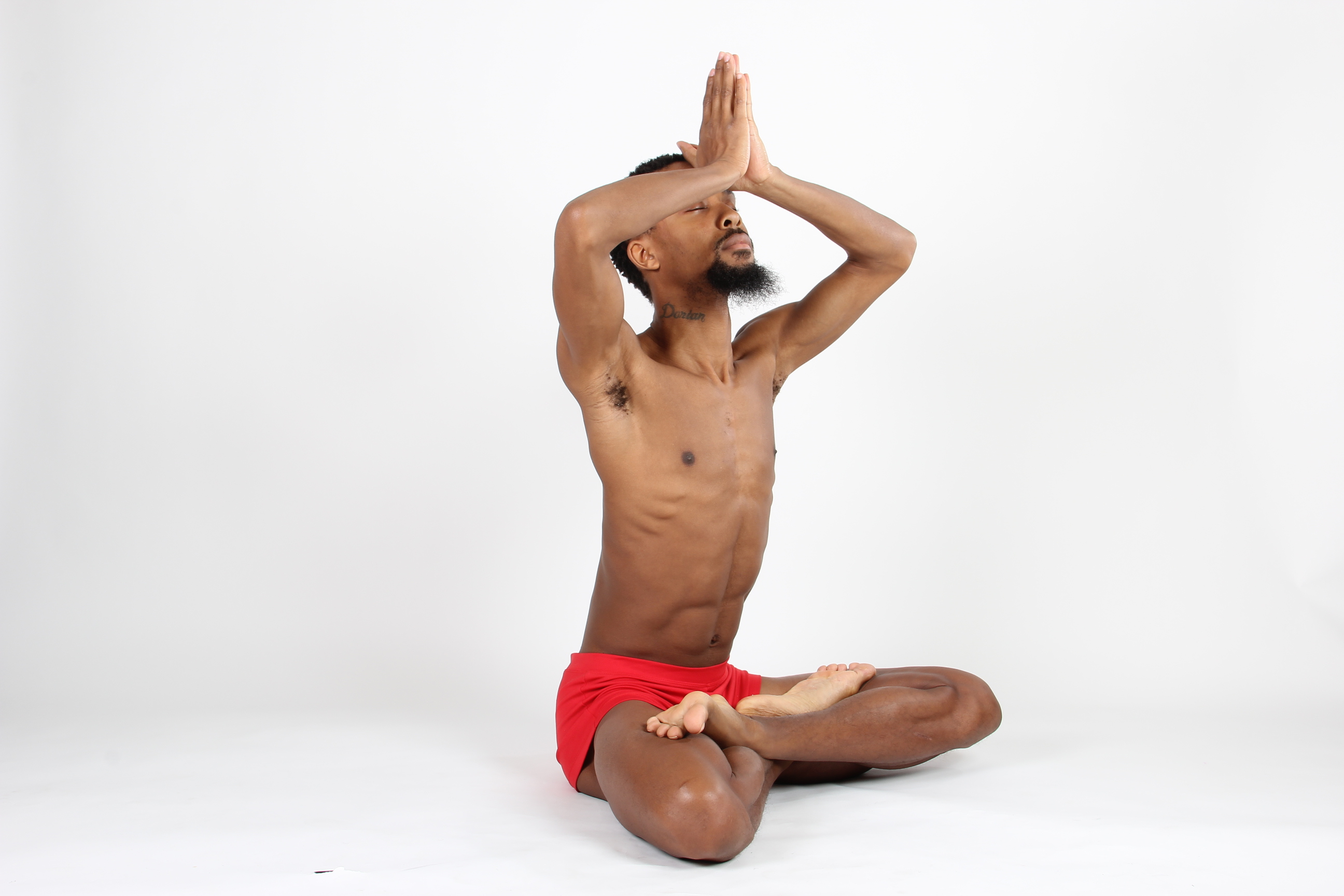
In today's fast-paced world, the quest for wellness has become more crucial than ever. Many individuals are seeking ways to enhance their physical, mental, and emotional well-being. However, navigating the myriad of wellness options can be overwhelming. This guide aims to connect you with practitioners who can support your wellness journey, providing you with the tools and insights needed to make informed choices.

Understanding Wellness
Wellness is a holistic concept that encompasses various dimensions of health. It is not merely the absence of illness but a proactive approach to living a fulfilling life. The key dimensions of wellness include:
Physical Wellness: Involves maintaining a healthy body through exercise, nutrition, and regular medical check-ups.
Emotional Wellness: Focuses on understanding and managing emotions, fostering resilience, and developing coping strategies.
Social Wellness: Emphasizes the importance of building and maintaining healthy relationships and social networks.
Spiritual Wellness: Encourages individuals to seek purpose and meaning in life, which may involve religious beliefs or personal philosophies.
Intellectual Wellness: Involves engaging in creative and stimulating activities that foster critical thinking and lifelong learning.
Understanding these dimensions is essential as you embark on your wellness journey. Each aspect contributes to your overall well-being, and addressing them holistically can lead to a more balanced life.
The Role of Practitioners in Your Wellness Journey
Practitioners play a vital role in guiding individuals on their wellness paths. They offer expertise, support, and personalized strategies tailored to your unique needs. Here are some types of practitioners you might consider connecting with:
1. Nutritionists and Dietitians
Nutritionists and dietitians specialize in food and nutrition. They can help you develop a balanced diet that meets your health goals. Whether you want to lose weight, manage a health condition, or simply eat healthier, these professionals can provide valuable insights.
Example: A registered dietitian can create a personalized meal plan that considers your dietary preferences, lifestyle, and health goals.
2. Fitness Trainers
Fitness trainers are experts in physical activity and exercise. They can design workout programs that align with your fitness level and objectives. Whether you prefer group classes or one-on-one sessions, trainers can motivate and guide you.
Example: A personal trainer can help you set realistic fitness goals and provide accountability to keep you on track.
3. Mental Health Professionals
Mental health professionals, such as therapists and counselors, focus on emotional wellness. They can help you navigate challenges, improve your mental health, and develop coping strategies.
Example: A licensed therapist can provide a safe space to explore your feelings and develop techniques to manage stress and anxiety.
4. Holistic Practitioners
Holistic practitioners take a comprehensive approach to wellness, considering the mind, body, and spirit. They may offer services such as acupuncture, massage therapy, or yoga.
Example: An acupuncturist can help alleviate pain and promote relaxation through targeted treatments.
5. Life Coaches
Life coaches assist individuals in setting and achieving personal and professional goals. They can help you identify obstacles and create actionable plans to overcome them.
Example: A life coach can guide you in developing a balanced life plan that aligns with your values and aspirations.
How to Choose the Right Practitioner
Selecting the right practitioner is crucial for your wellness journey. Here are some steps to help you make an informed decision:
1. Identify Your Needs
Start by assessing your wellness goals. Are you looking to improve your physical health, manage stress, or enhance your relationships? Understanding your needs will help you find a practitioner who specializes in that area.
2. Research Credentials
Verify the credentials and qualifications of potential practitioners. Look for certifications, licenses, and relevant experience. This ensures that you are working with someone who is knowledgeable and trustworthy.
3. Read Reviews and Testimonials
Seek feedback from others who have worked with the practitioner. Online reviews and testimonials can provide insights into their effectiveness and approach.
4. Schedule a Consultation
Many practitioners offer initial consultations. Use this opportunity to ask questions, discuss your goals, and assess whether you feel comfortable with their approach.
5. Trust Your Instincts
Ultimately, trust your instincts. A strong rapport with your practitioner is essential for a successful wellness journey. If you feel comfortable and understood, you are more likely to achieve your goals.
Building a Supportive Wellness Network
Connecting with practitioners is just one aspect of your wellness journey. Building a supportive network can enhance your experience and provide additional resources. Here are some ways to create a wellness network:
1. Join Wellness Groups
Consider joining local or online wellness groups. These communities can provide support, motivation, and shared experiences. You may find like-minded individuals who are also on their wellness journeys.
2. Attend Workshops and Events
Participating in wellness workshops and events can expose you to new practices and ideas. These gatherings often feature expert speakers and hands-on activities that can enrich your understanding of wellness.
3. Utilize Online Resources
Explore online platforms that offer wellness resources, such as articles, videos, and webinars. Many practitioners share valuable insights through blogs and social media, making it easier to stay informed.
4. Engage with Friends and Family
Share your wellness goals with friends and family. Their support can be invaluable, and they may even join you in your journey, creating a shared experience.
Embracing a Holistic Approach to Wellness
A holistic approach to wellness recognizes that all aspects of your life are interconnected. By addressing physical, emotional, social, spiritual, and intellectual wellness, you can create a more balanced and fulfilling life. Here are some practical tips for embracing this approach:
1. Practice Mindfulness
Incorporate mindfulness practices into your daily routine. This can include meditation, deep breathing exercises, or simply taking time to reflect on your thoughts and feelings.
2. Stay Active
Engage in regular physical activity that you enjoy. Whether it's walking, dancing, or practicing yoga, find ways to move your body that feel good to you.
3. Nourish Your Body
Focus on nourishing your body with whole foods. Aim for a balanced diet rich in fruits, vegetables, whole grains, and lean proteins.
4. Foster Relationships
Invest time in building and maintaining healthy relationships. Surround yourself with supportive individuals who uplift and inspire you.
5. Seek Continuous Learning
Challenge yourself to learn new things regularly. This could involve reading books, taking courses, or exploring new hobbies.
Conclusion
Connecting with practitioners is a vital step in your wellness journey. By understanding the different dimensions of wellness and the roles of various practitioners, you can make informed choices that support your health and well-being. Remember to build a supportive network and embrace a holistic approach to wellness. Your journey is unique, and with the right guidance and resources, you can achieve a balanced and fulfilling life.
As you embark on this journey, take the first step today by reaching out to a practitioner who resonates with your wellness goals. Your path to a healthier, happier you starts now.


Comments