
Discovering Meditation and Yoga for Emotional Healing
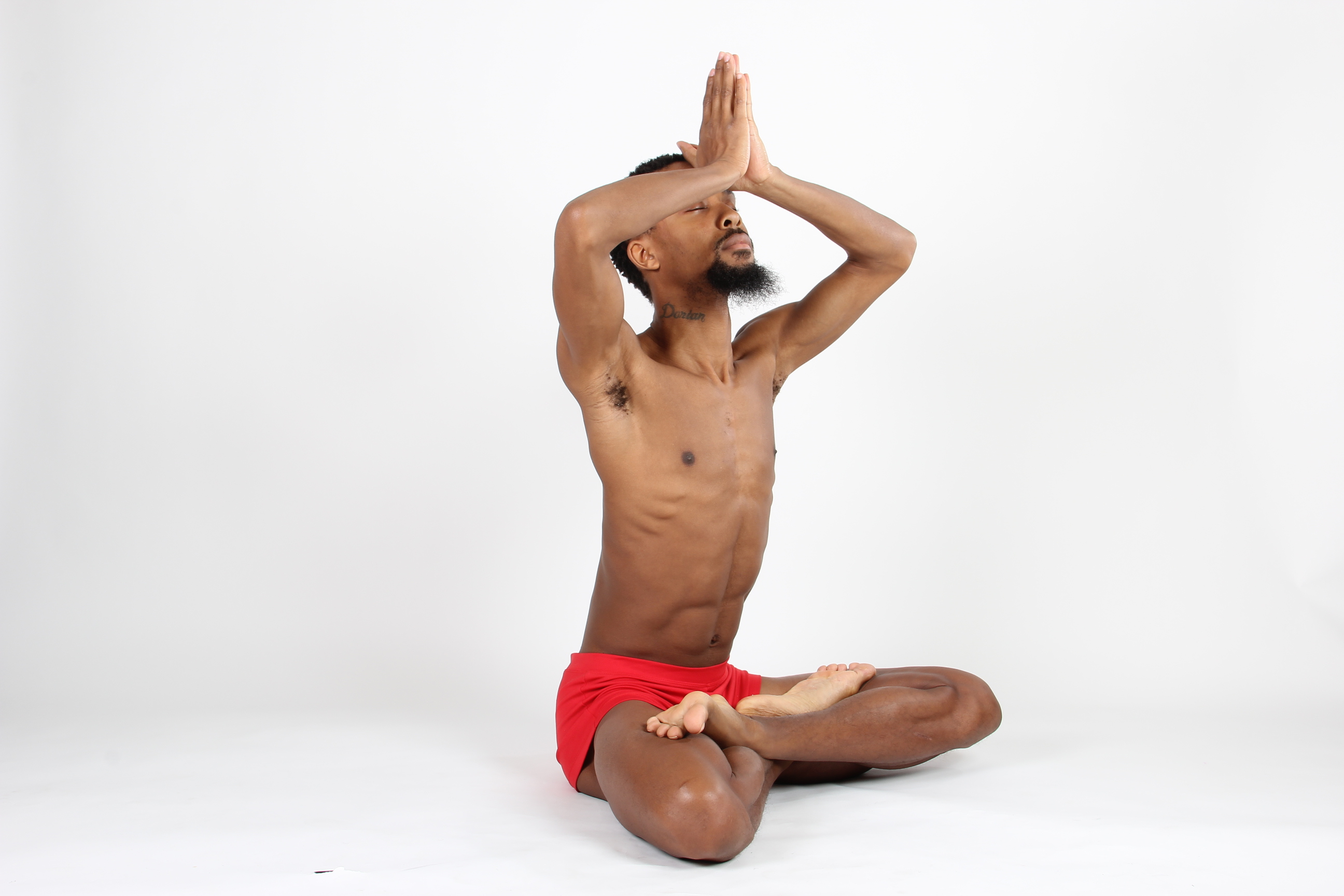
In a world filled with constant distractions and overwhelming stress, many individuals are seeking effective ways to heal emotionally. Meditation and yoga have emerged as powerful tools for emotional healing, offering a path to inner peace and resilience. This blog post will explore how these practices can transform your emotional landscape, providing practical tips and insights to help you embark on your journey toward emotional well-being.

Understanding Emotional Healing
Emotional healing is the process of addressing and overcoming emotional pain, trauma, and stress. It involves acknowledging your feelings, understanding their origins, and finding ways to cope and move forward. Emotional healing is not a linear journey; it requires patience, self-compassion, and the right tools.
The Role of Meditation in Emotional Healing
Meditation is a practice that encourages mindfulness and self-awareness. By focusing on the present moment, individuals can gain clarity about their emotions and thoughts. Here are some ways meditation contributes to emotional healing:
Increased Self-Awareness: Regular meditation helps you become more aware of your thoughts and feelings, allowing you to identify patterns that may be causing emotional distress.
Stress Reduction: Meditation activates the body’s relaxation response, reducing stress hormones and promoting a sense of calm.
Improved Emotional Regulation: Through meditation, you can learn to observe your emotions without judgment, enabling you to respond to them more effectively rather than reacting impulsively.
Types of Meditation for Emotional Healing
There are various forms of meditation that can aid in emotional healing. Here are a few popular techniques:
Mindfulness Meditation: This practice involves paying attention to your thoughts and feelings in a non-judgmental way. It helps you develop a deeper understanding of your emotional triggers.
Loving-Kindness Meditation: This technique focuses on cultivating feelings of compassion and love towards yourself and others. It can help heal feelings of anger and resentment.
Guided Meditation: Listening to a guided meditation can provide structure and support, making it easier to engage in the practice, especially for beginners.
Body Scan Meditation: This technique encourages you to focus on different parts of your body, promoting relaxation and helping you connect with physical sensations associated with emotions.
The Healing Power of Yoga
Yoga is more than just physical exercise; it is a holistic practice that integrates the body, mind, and spirit. The combination of movement, breath control, and meditation makes yoga a powerful tool for emotional healing.
Benefits of Yoga for Emotional Well-Being
Physical Release of Tension: Yoga helps release physical tension stored in the body, which can often be linked to emotional stress.
Enhanced Mood: Regular yoga practice has been shown to increase levels of serotonin, the hormone responsible for feelings of happiness and well-being.
Mind-Body Connection: Yoga encourages a deeper connection between the mind and body, helping individuals understand how their physical state can impact their emotional health.
Types of Yoga for Emotional Healing
Different styles of yoga can cater to various emotional healing needs. Here are a few to consider:
Hatha Yoga: This gentle form of yoga focuses on basic postures and breathing techniques, making it ideal for beginners seeking relaxation and stress relief.
Restorative Yoga: This style uses props to support the body in restful poses, promoting deep relaxation and emotional release.
Vinyasa Yoga: This dynamic form of yoga links breath with movement, providing a physical outlet for emotional energy.
Yin Yoga: Yin yoga involves holding poses for extended periods, allowing for deep stretching and introspection, which can facilitate emotional release.
Integrating Meditation and Yoga into Your Life
Incorporating meditation and yoga into your daily routine can significantly enhance your emotional healing journey. Here are some practical tips to get started:
Create a Dedicated Space
Designate a quiet, comfortable space in your home for meditation and yoga. This area should be free from distractions and filled with items that promote relaxation, such as candles, plants, or calming artwork.
Set a Regular Schedule
Consistency is key when it comes to meditation and yoga. Aim to practice at the same time each day, whether it’s in the morning to set a positive tone for the day or in the evening to unwind.
Start Small
If you’re new to meditation or yoga, start with short sessions. Begin with just five to ten minutes of meditation or a few gentle yoga poses, gradually increasing the duration as you become more comfortable.
Use Guided Resources
Consider using apps or online videos for guided meditation and yoga sessions. These resources can provide structure and motivation, especially for beginners.
Combine Practices
Feel free to blend meditation and yoga. For example, you can start your yoga session with a few minutes of meditation to center yourself or end with a short meditation to reflect on your practice.
Overcoming Challenges in Your Practice
While meditation and yoga can be incredibly beneficial, you may encounter challenges along the way. Here are some common obstacles and how to overcome them:
Difficulty Focusing
If you find it hard to concentrate during meditation, try focusing on your breath or using a mantra. This can help anchor your mind and reduce distractions.
Physical Discomfort
If you experience discomfort during yoga, don’t hesitate to modify poses or use props for support. Listen to your body and honor its limits.
Emotional Resistance
It’s normal to feel resistance when confronting difficult emotions. Allow yourself to experience these feelings without judgment. Remember, emotional healing is a process that takes time.
The Impact of Community on Emotional Healing
Engaging with a community can enhance your meditation and yoga practice. Consider joining a local class or an online group where you can share experiences and support one another. The sense of belonging can significantly contribute to your emotional healing journey.
Finding the Right Community
When looking for a community, consider the following:
Local Classes: Check for yoga studios or meditation centers in your area that offer classes or workshops.
Online Platforms: Explore online platforms that provide virtual classes, forums, or social media groups focused on meditation and yoga.
Support Groups: Look for support groups that focus on emotional healing, where you can share your journey and learn from others.
Conclusion
Meditation and yoga are powerful practices that can facilitate emotional healing and promote overall well-being. By incorporating these techniques into your daily routine, you can cultivate a deeper understanding of your emotions, reduce stress, and foster resilience. Remember, the journey of emotional healing is unique to each individual, so be patient and compassionate with yourself as you explore these transformative practices.
Take the first step today by setting aside a few minutes for meditation or yoga. Your emotional well-being is worth the investment.


Comments